Leading clinical guidelines recommend a Mediterranean-style dietary pattern as the gold standard for managing fatty liver. This approach is naturally rich in anti-inflammatory compounds, dietary fiber, and healthy unsaturated fats, while remaining low in refined sugars and industrial trans fats.
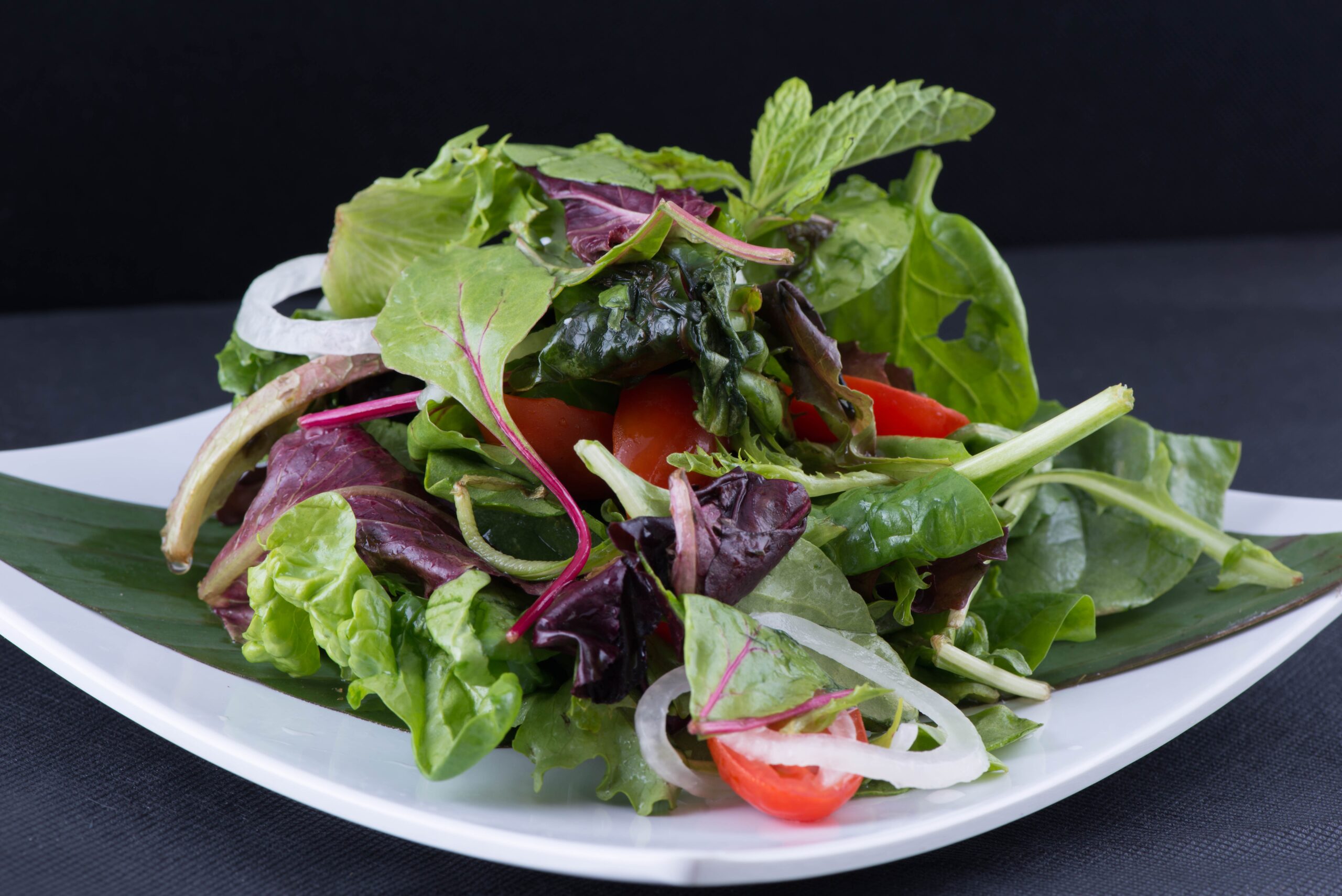
Non-starchy vegetables should form the foundation of your meals. They provide high volumes of essential micronutrients, polyphenols, and soluble and insoluble fiber with very few calories.
- Top choices: Leafy greens (spinach, kale, arugula, Swiss chard), cruciferous vegetables (broccoli, Brussels sprouts, cauliflower, cabbage), asparagus, bell peppers, zucchini, green beans, and cucumbers.
- Why they help: Fiber slows carbohydrate absorption in the gut, helping stabilize blood sugar levels and improving insulin sensitivity—a primary driver of liver fat reduction.
2. Whole Fruits (In Moderation)
While fruit juice and fruit-flavored syrups overload the liver with rapid sugar, whole fruits package natural sugars alongside water, vitamins, and intact plant fiber.
- Top choices: Berries (blueberries, raspberries, blackberries, strawberries), apples, pears, cherries, oranges, and plums.
- Why they help: Berries and dark-pigmented fruits are exceptionally high in polyphenols, antioxidants that help combat the oxidative stress commonly seen in liver inflammation.
3. Beans, Lentils, and Pulses
Legumes are nutrient powerhouses offering a plant-based combination of complex carbohydrates, prebiotic fiber, and protein.
- Top choices: Lentils (brown, green, red), chickpeas, black beans, kidney beans, and split peas.
- Why they help: Legumes promote feelings of fullness (satiety), nourish beneficial gut bacteria, and replace less healthy protein choices without contributing saturated fat.
4. High-Fiber Whole Grains
Swap stripped, refined grains for intact, fiber-rich whole grains that deliver steady, sustained energy.
- Top choices: Steel-cut or rolled oats, barley, quinoa, brown or wild rice, farro, and 100% whole-grain bread or pasta.
- Why they help: Whole grains have a low glycemic index, preventing the sharp insulin spikes that prompt the liver to convert excess glucose into stored fat (a process called de novo lipogenesis).
5. Quality, Minimally Processed Proteins
Protein preserves lean muscle mass during weight loss and supports liver tissue maintenance.
- Top choices: Fatty fish (wild salmon, sardines, mackerel, trout, herring), skinless poultry, eggs, tofu, tempeh, and edamame.
- Why they help: Cold-water fatty fish provide long-chain omega-3 fatty acids (EPA and DHA), which studies associate with reduced liver fat accumulation and healthier triglyceride levels.
6. Healthy Unsaturated Fats
Replacing dietary saturated fats (from butter, lard, and fatty meats) with monounsaturated and polyunsaturated fats is one of the most effective steps you can take for liver and cardiovascular health.
- Top choices: Extra virgin olive oil, avocados, and raw or dry-roasted, unsalted nuts and seeds (walnuts, almonds, chia seeds, flaxseeds, hemp seeds).
- Why they help: Extra virgin olive oil contains oleic acid and potent phenolic compounds that support healthy lipid profiles and reduce systemic inflammation.